
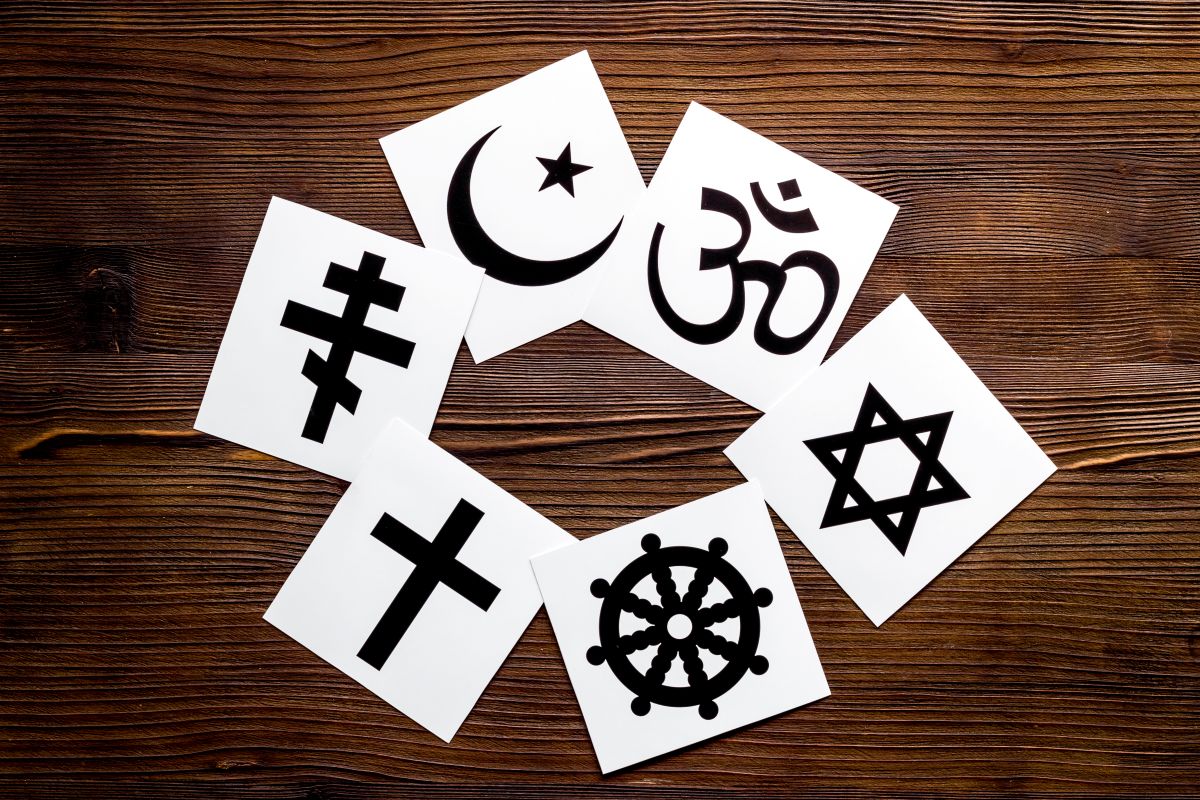
© Shutterstock
Ahmad Nooruddeen Jahangeer Khan, London, UK
Fasting is not exclusive to any particular group of people or religion, but the way in which one fasts can vary drastically. In some traditions, believers rise before dawn and refrain from food, drink or other comforts until sunset; in others, fasting may last for an entire day, several days, or even an entire month. Some fasts require complete abstinence, while others allow small meals, specific foods, or water. These practices, though varied, share a common purpose: they cleanse the mind, body, and soul, thereby fostering greater self-reformation. In this quiet period of self-discipline, ordinary routines are changed, and the soul is given space to focus on gratitude, devotion, and spiritual growth.
Fasting periods also differ in when they occur. Many religious observances follow lunar or lunisolar cycles rather than the fixed Gregorian calendar, meaning the same festival – and its fast – may fall on different days each year, gradually moving through the seasons. Whether it is the month-long dawn-to-sunset fast of Ramadan, the forty days of Lent, the single-day Yom Kippur fast, or the selective abstinence of Navratri, each fast has its own rules, length, and spiritual purpose. While they occur at different times throughout the year, they show that fasting for spiritual benefit is a common thread amongst world religions.
Lent (Christianity)
Lent is observed in the weeks leading up to Easter, which falls on the first Sunday after the first full moon in that period. This means that Lent typically begins in late February or March. The forty-day period (excluding Sundays) involves abstaining from certain foods, luxuries, or fasting on specific days such as Ash Wednesday and Good Friday. In Orthodox traditions, Lent can extend up to 55 days and may involve strict abstinence from meat, dairy, and oils. These fasts encourage repentance, self-discipline, and spiritual purification, preparing believers for the celebration of Easter.
Ramadan (Islam)
Ramadan, the ninth month of the Islamic calendar, shifts each year due to the lunar system. This year (2026), Ramadan begins in February. During this month, Muslims fast from dawn to sunset for 29 or 30 days, abstaining from food, drink, marital relations, and other comforts while striving to avoid negative behaviour. The fast develops self-restraint, empathy and spirituality, with the goal of increasing righteousness. Fasting begins with the suhur meal before dawn and ends with the iftar meal at sunset. The month ends with Eid al-Fitr, a day of gratitude, prayer, and charity.
Vesak (Buddhism)
Vesak, celebrated on the full moon of May in some traditions – but in certain regions observed later in the year – commemorates the birth, enlightenment, and passing of the Buddha (as). Observances may include mindful eating or partial fasting, meditation, and acts of compassion. Fasting on this day encourages detachment, moral reflection, and spiritual mindfulness, preparing participants to celebrate the Buddha’s (as) life and teachings.
Tisha B’Av (Judaism)
Observed in July or August, Tisha B’Av commemorates the destruction of the First and Second Temples in Jerusalem. The day involves a 25-hour complete fast similar to Yom Kippur, accompanied by mourning rituals, reading of lamentations, and reflection on historical tragedies. The fast encourages both introspection and connection to communal history.
Assumption Fast (Christianity – Catholic & Orthodox)
The Assumption Fast is observed in some Catholic and especially Eastern Orthodox traditions in the days leading up to the Feast of the Assumption (15 August). In Eastern churches, it usually runs from 1–14 August, with believers often abstaining from meat, dairy, and rich foods, while Western practices are typically shorter and more flexible. The purpose of the fast is to spiritually prepare for the celebration of Mary’s (as) passing and exaltation by God, encouraging humility and prayer.
Paryushana (Jainism)
Paryushana typically falls in August or September and lasts eight to ten days. Observers may fast completely or partially, focusing on spiritual reflection, self-discipline, and moral purification. The festival concludes with Samvatsari, a day for forgiveness, reconciliation, and renewal of community bonds.
Navratri (Hinduism)
Navratri, usually in September or October, is a nine-day festival dedicated to the Divine Mother. Devotees practise selective fasting, often abstaining from grains, meat, or alcohol, or taking only one meal per day. Alongside fasting, participants engage in prayer, devotional singing, and rituals. The fast encourages self-discipline, spiritual purification, and devotion, ending with communal celebrations symbolising the triumph of good over evil.
Yom Kippur (Judaism)
Falling in September or October, Yom Kippur, the Day of Atonement, is observed with a 25-hour complete fast from food and drink, along with refraining from bathing, wearing leather shoes, and marital relations. During the fast, Jewish people observe prayer and reflect, allowing believers to seek forgiveness and renew spiritual and communal bonds.
Ekadashi (Hinduism)
Ekadashi, dedicated to Lord Vishnu, occurs twice a month, so dates vary throughout the year. Observers abstain from grains, beans, or other specific foods for one day, and focus on prayer, meditation, and charitable acts. Its purpose is spiritual discipline, purification, and devotion.
While the mode of fasting may vary across religions, the practice itself is a shared thread that unites humanity across time and culture. Some fasts are brief; others extend for weeks. Some require complete abstinence; others allow selected foods or one meal a day. Yet in every case, fasting leads to a conscious change in our routine. It gives us a moment to step back, reflect, and reconnect with our beliefs, values, and community.
………………………………………………………
About the Author: Ahmad Nooruddeen Jahangeer Khan is a missionary of the Ahmadiyya Muslim Community and serves on the editorial board of The Review of Religions.

Add Comment